Zachary A. Perlman

Books, Courses, & Retreats

Nonduality In Plain English


Writing and teaching on direct recognition and the awareness that is already the case. Dzogchen, Mahamudra, Kashmir Shaivism, and Advaita Vedanta, written in plain language for people practicing without a teacher standing beside them.

The Catalog

Books

Ten titles on recognition, integration, the traditions that point at what is already here, and the slow work of outgrowing harm. Most are available in paperback, ebook, and audiobook.

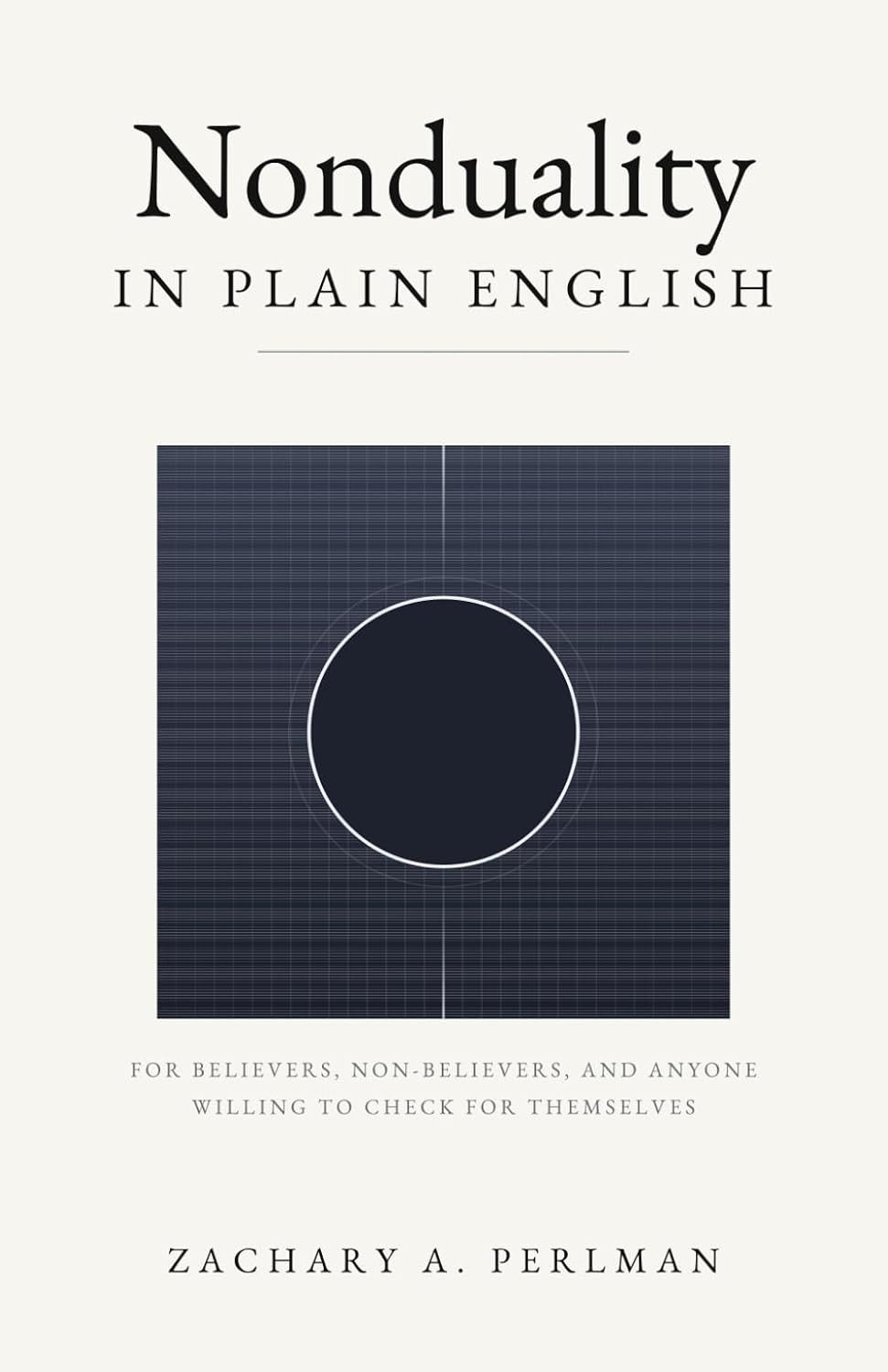
Cover of Nonduality In Plain English
Nonduality In Plain English
Zachary A. Perlman

Nonduality In Plain English

For Believers, Non-Believers, And Anyone Willing To Check For Themselves

If you have spent any time near meditation, philosophy, or the contemplative end of almost any religion, you have probably run into the word nonduality, and noticed how rarely anyone explains it. This book starts somewhere else, from an ordinary observation: that most of us carry a quiet assumption we have never once examined, that there is someone in here, behind the eyes, receiving a world out there. People have inspected that assumption carefully, in every century and on every continent, inside religious traditions and entirely outside them, and what they report back is remarkably consistent and remarkably easy to test. You do not have to take their word for any of it. That is the whole point.


Cover of How To Stop Suffering
How To Stop Suffering
Mokshadas

How To Stop Suffering

Written As Mokshadas

The hard thing is usually not the hard thing. It is the hours afterward: the conversation replayed at three in the morning, the case you keep building against a person who is not in the room, the sentence that begins it should not have been this way and never finishes. Pain is what happens. Suffering is the argument with what happens, and that argument feels so much like thinking, and so much like caring, that almost nobody stops to inspect it. One distinction, stated plainly and then tested against grief, illness, money, and the three in the morning ceiling, with one concrete thing to look at at the end of every chapter.

Cover of Dream Craft
Dream Craft
Zachary A. Perlman

Dream Craft

Lucidity For Waking Life

Reality feels solid. Experience keeps telling another story. Identity shifts, perception filters, and interpretation quietly shapes what gets lived. This book is about inhabiting that tension clearly, without escaping into detachment or inflating it into cosmic authorship. Nondual insight joined to participatory responsibility, drawn from contemplative philosophy and relational psychology, offered as a sober alternative to both spiritual bypass and manifestation culture.

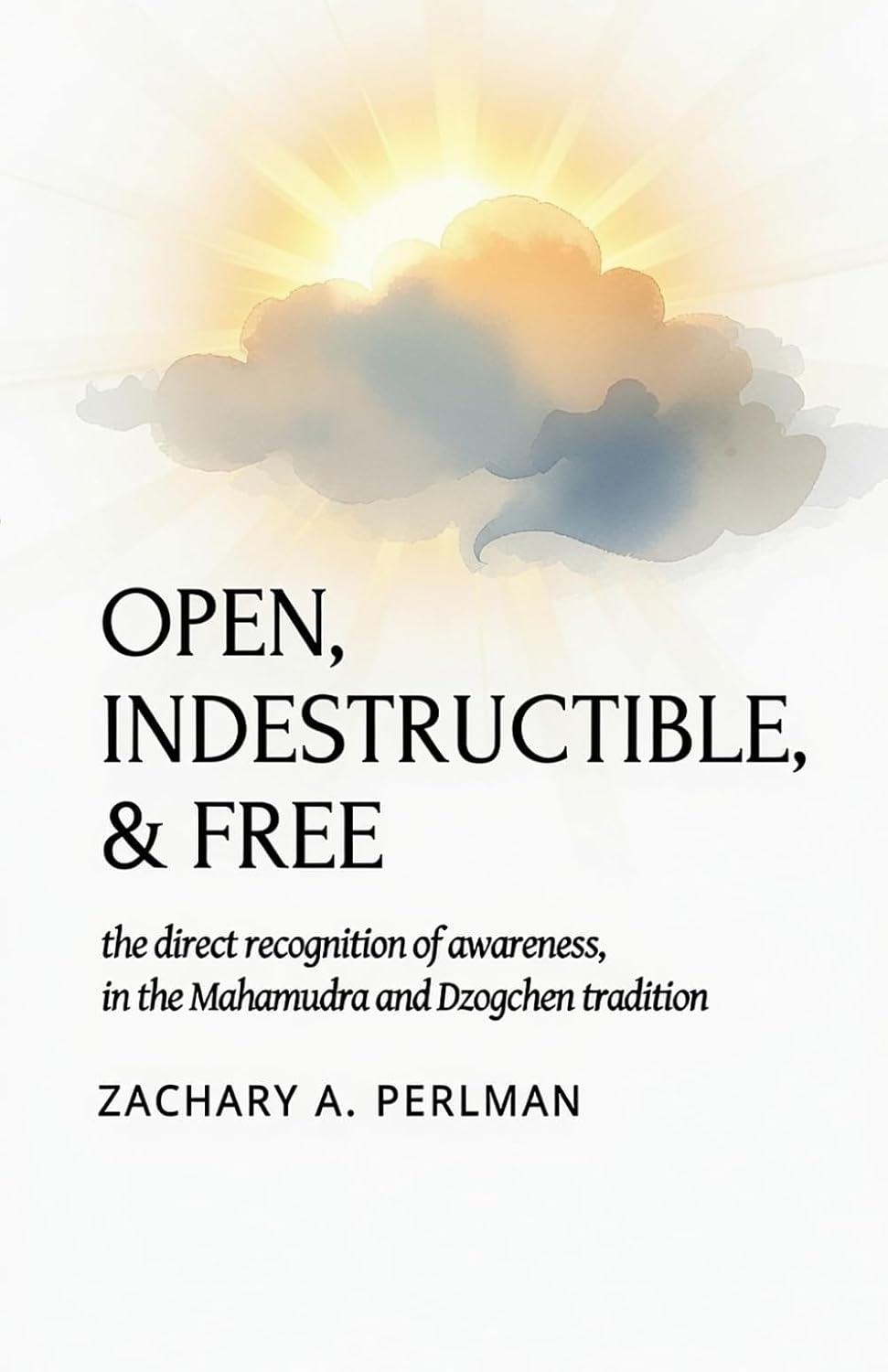
Cover of Open, Indestructible, & Free
Open, Indestructible, & Free
Zachary A. Perlman

Open, Indestructible, & Free

The Direct Recognition Of Awareness In The Mahamudra And Dzogchen Traditions

For a thousand years these two traditions have carried a claim plain enough to miss entirely: the awareness reading this sentence is already open, already unbreakable, already free. Nothing needs to be built and nothing needs to be earned. What is needed is clear seeing. This book sets aside the graduated path, the years of preliminaries, and the requirement of formal authorization, and points directly instead, for the reader who suspects the claim might be true and has no idea where to stand to test it.

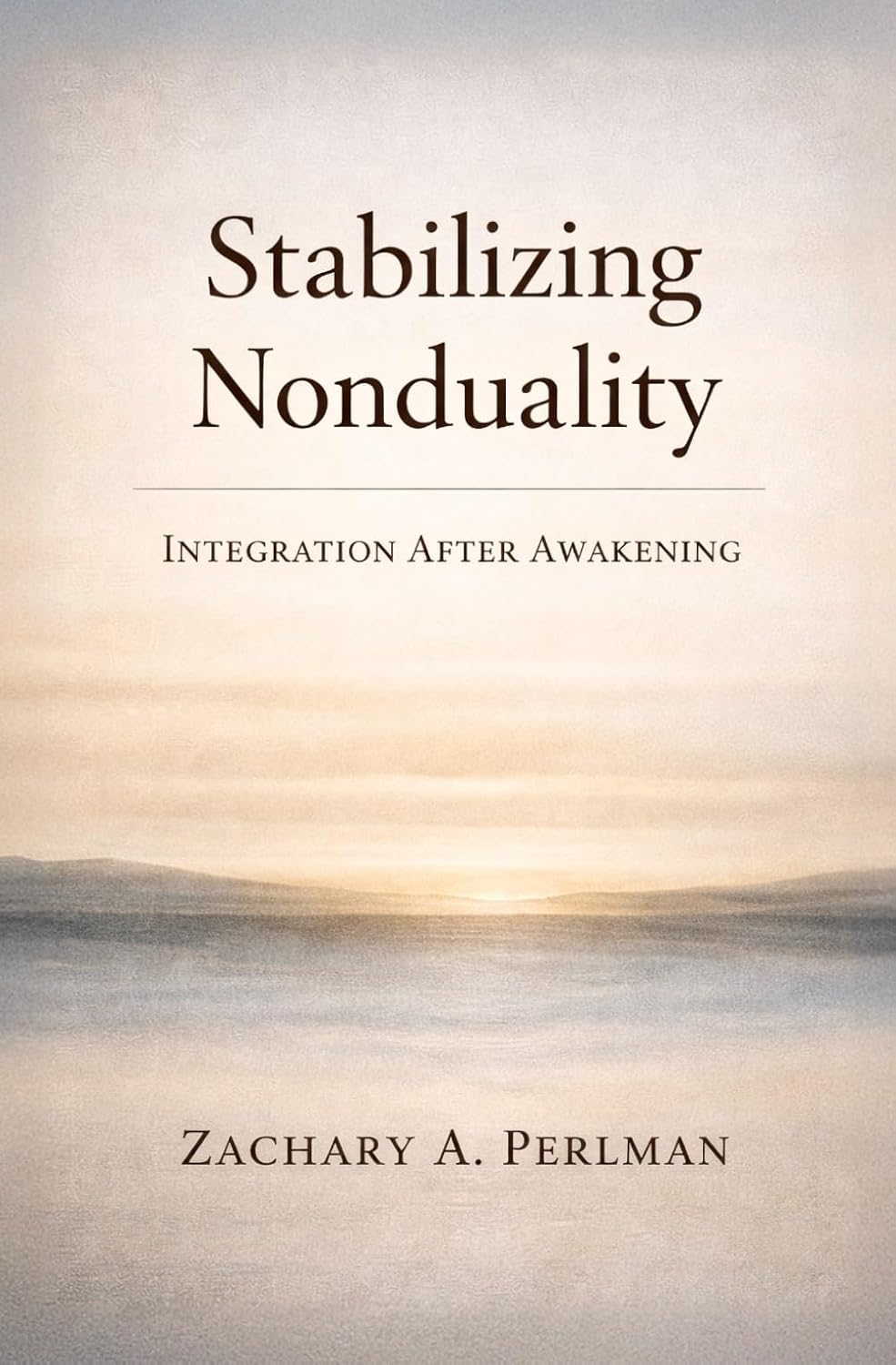
Cover of Stabilizing Nonduality
Stabilizing Nonduality
Zachary A. Perlman

Stabilizing Nonduality

Integration After Awakening

Most books on nonduality stop at insight. This one begins after it. Not a guide to awakening but a companion for what follows, tracing the long and subtle process by which realization becomes livable, less an experience to maintain than a way of functioning in ordinary life. It covers the stabilization of attention, the embodiment of insight, the dissolution of spiritual identity, and the slow integration of nonduality into relationship, work, ethics, and mortality.

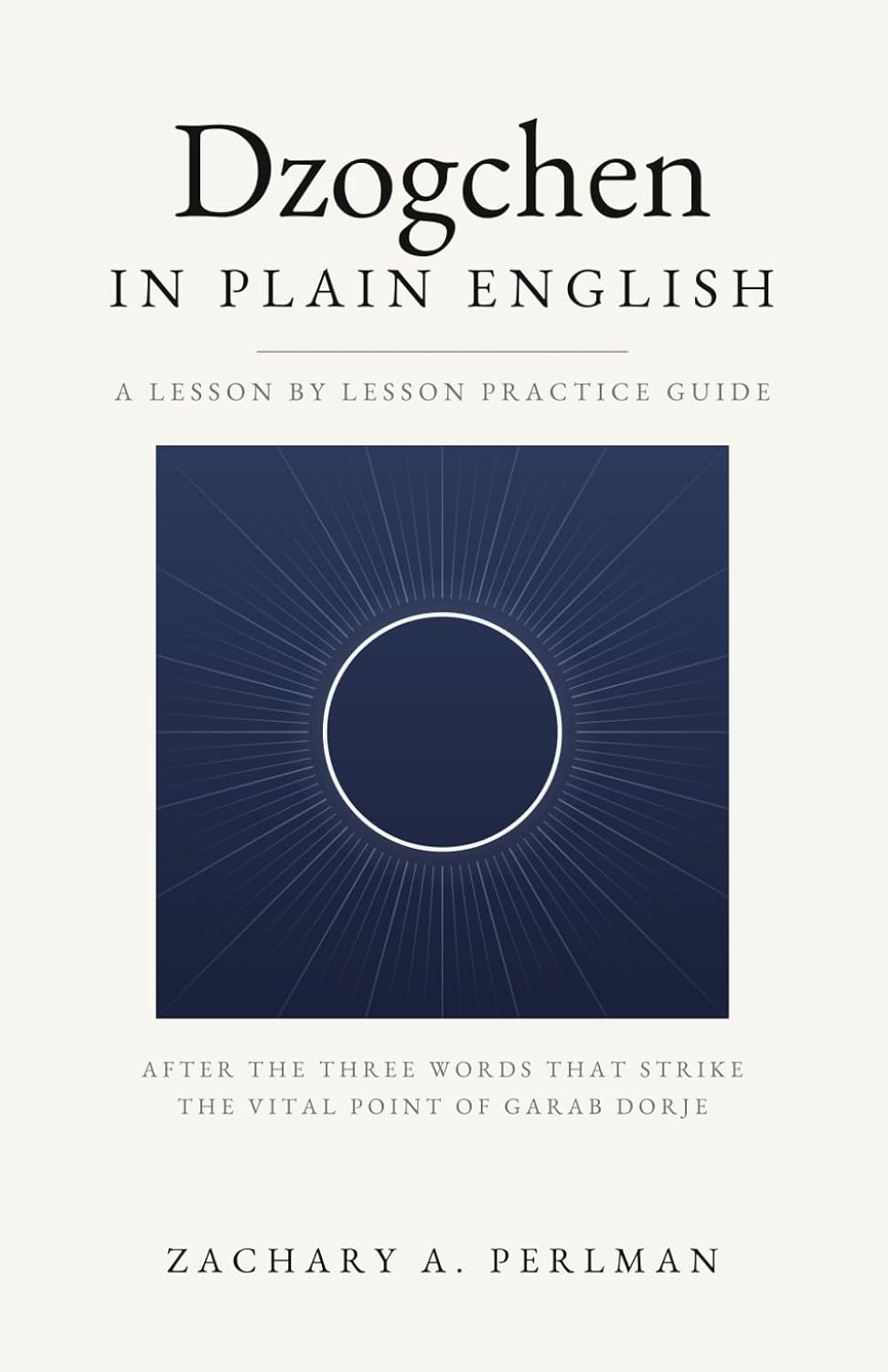
Cover of Dzogchen In Plain English
Dzogchen In Plain English
Zachary A. Perlman

Dzogchen In Plain English

A Beginner's Guide To Self-Liberation

Pure from the very beginning, not made pure by anything. Spontaneously present, not manufactured by anyone. Garab Dorje left the root instruction of the Great Perfection in three sentences, and Patrul Rinpoche's commentary on them became the tradition's best loved short text. The literature surrounding those three sentences is vast, technical, and written for people who already have a teacher in the room. This book walks it in language a modern reader can actually hear.

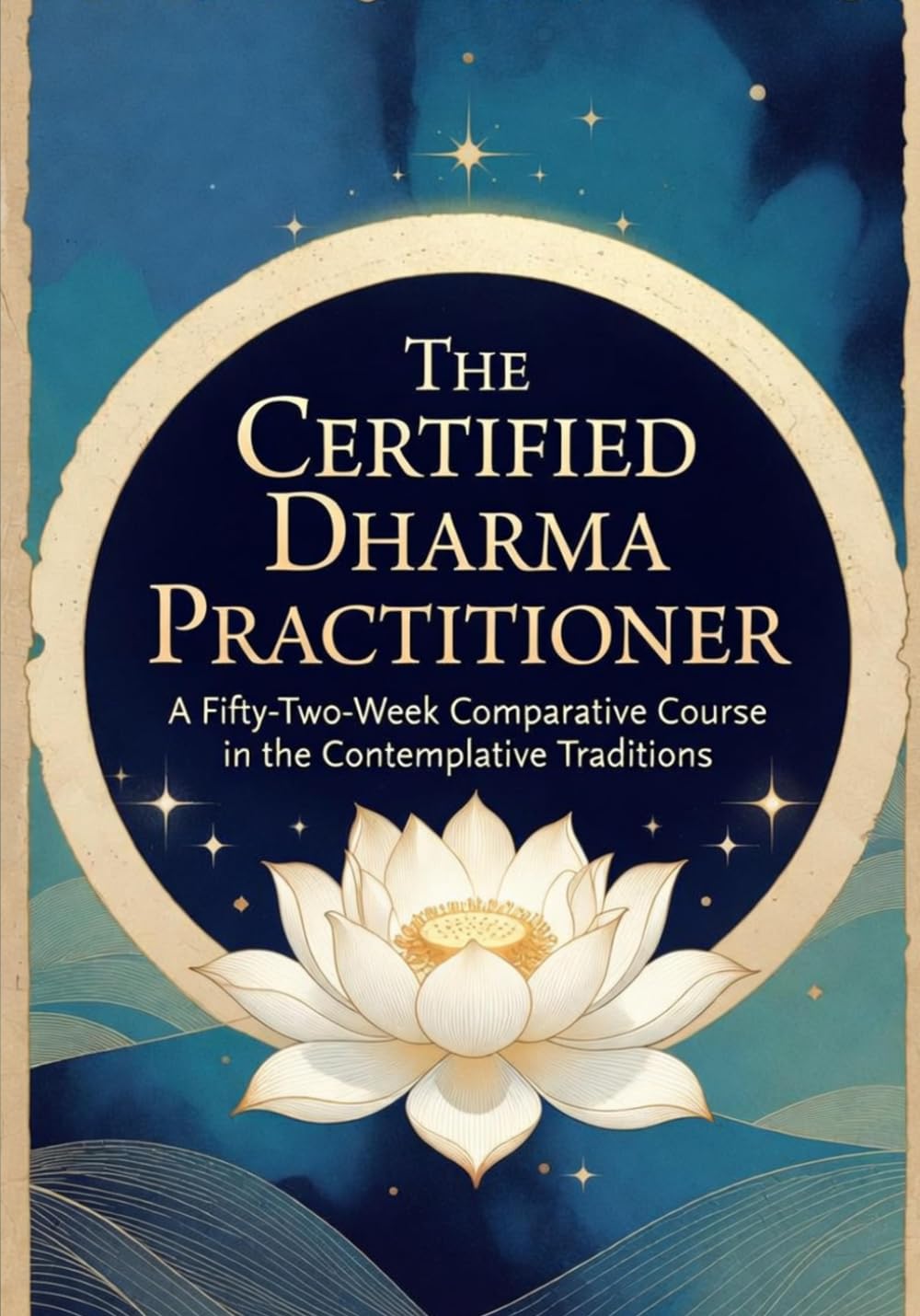
Cover of The Certified Dharma Practitioner
The Certified Dharma Practitioner
Zachary A. Perlman

The Certified Dharma Practitioner

A Fifty-Two-Week Comparative Course

A year of structured comparative study across the wisdom traditions, one week at a time, organized into modules of reading, reflection, and practice. Built for self-paced practitioners who want the depth of a formal curriculum without a teacher looking over their shoulder, and who would rather arrive at their own working synthesis than inherit someone else's conclusions.

Cover of Mahamudra In Plain English
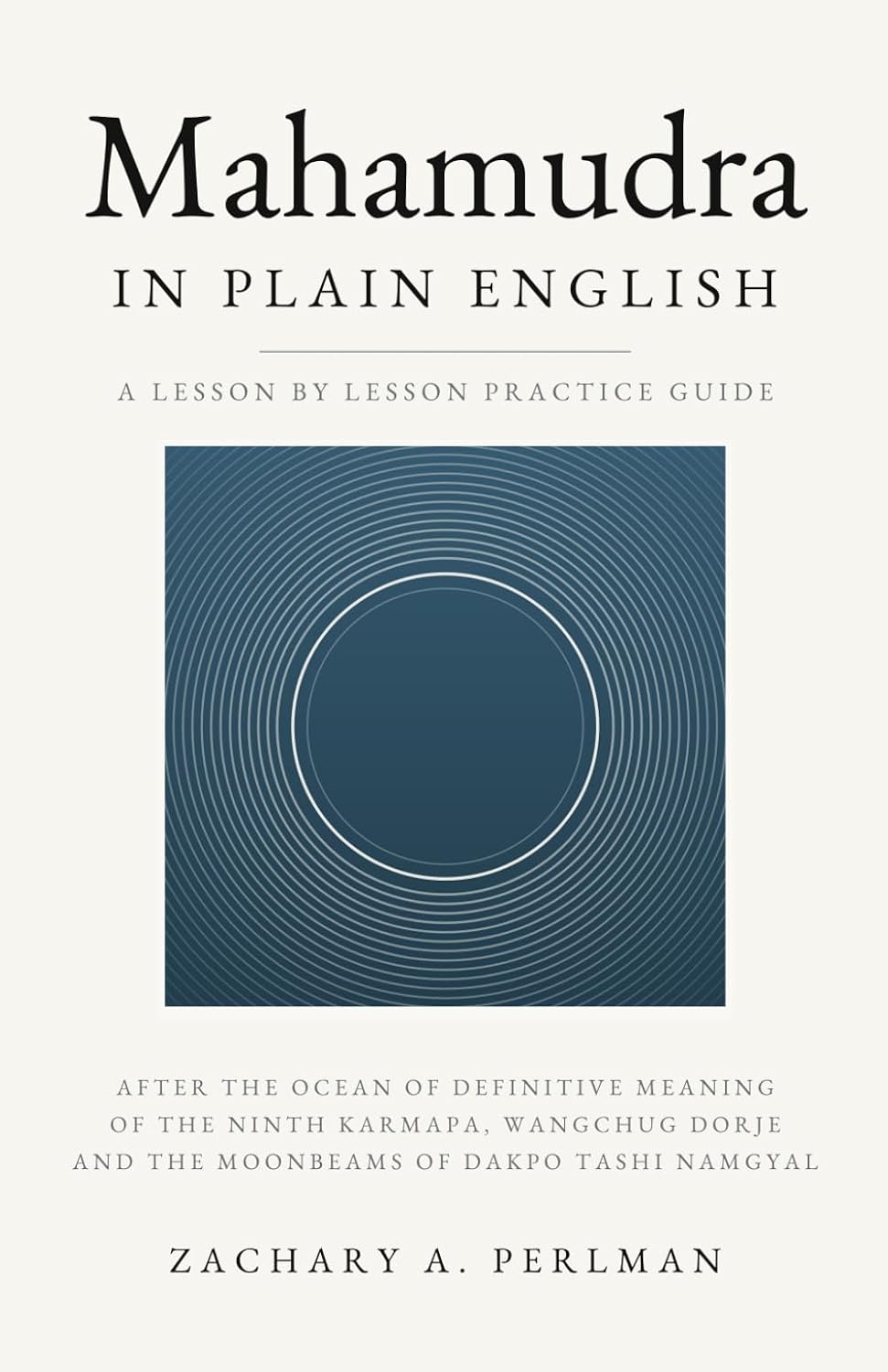
Mahamudra In Plain English
Zachary A. Perlman

Mahamudra In Plain English

A Beginner's Guide To Calm Abiding, Insight, And The Four Yogas

Empty, yet vividly knowing. Knowing, yet nothing to grasp. The Ocean of Definitive Meaning, written by the Ninth Karmapa in the sixteenth century, is one of the clearest maps of the contemplative path ever set down, carrying a practitioner from the first turning of the mind all the way to nonmeditation. Maps like it are easy to admire and hard to actually walk. This book walks it, lesson by lesson: the four thoughts that turn the mind, calm abiding, insight, and the four yogas.

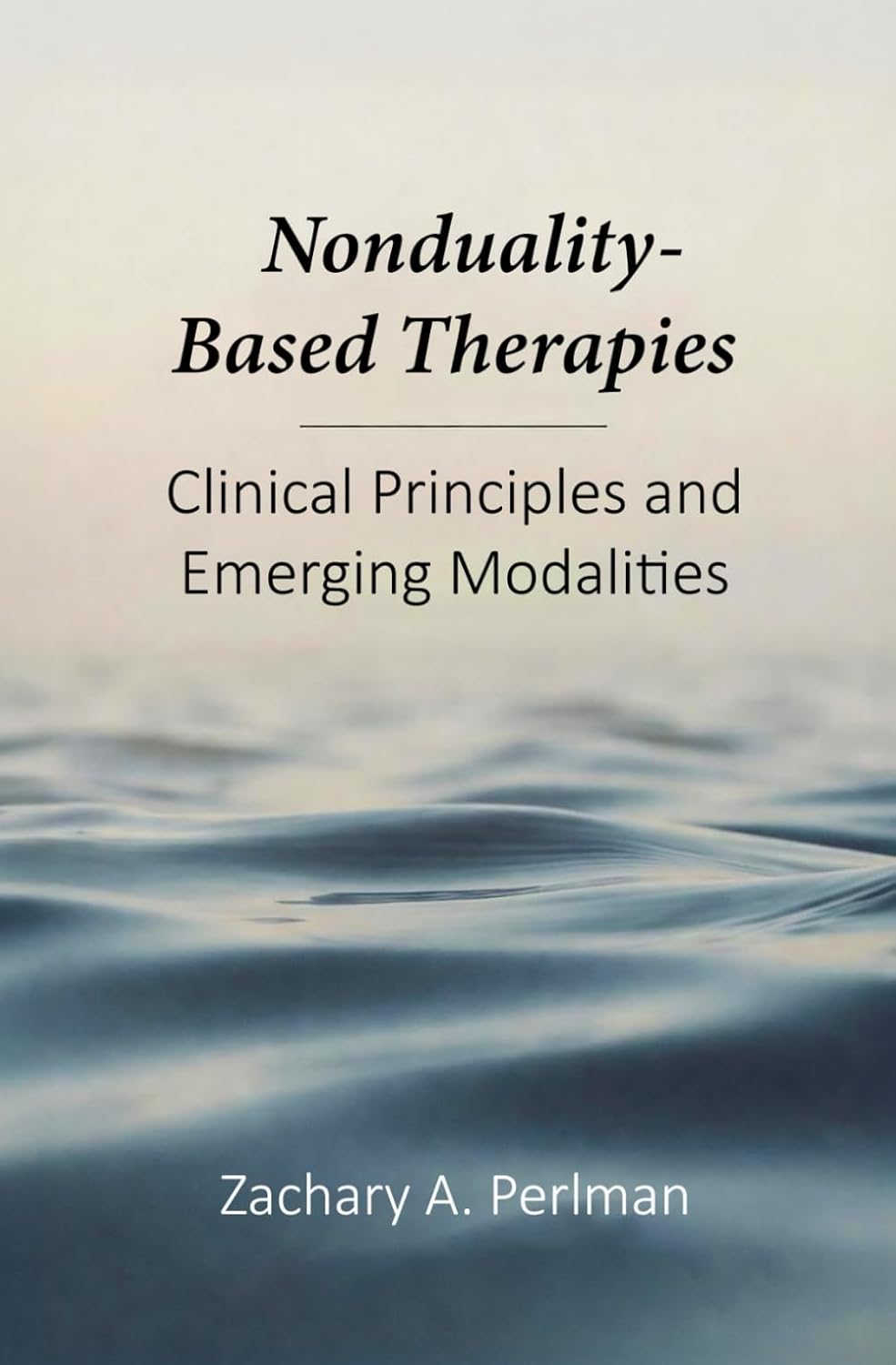
Cover of Nonduality-Based Therapies
Nonduality-Based Therapies
Zachary A. Perlman

Nonduality-Based Therapies

Clinical Principles And Emerging Modalities

Contemplative practice, mindfulness most of all, is now embedded in psychotherapy, healthcare, and education. It has helped millions, and it also has a known ceiling: technique-based relief tends to plateau while identity-driven suffering stays intact. This book offers a careful secular framework for how a nondual orientation reaches further, and sets out the modalities built on it, including Nonduality-Based Stress Reduction, Nonduality-Based Cognitive Therapy, and Nonduality-Based Relapse Prevention.

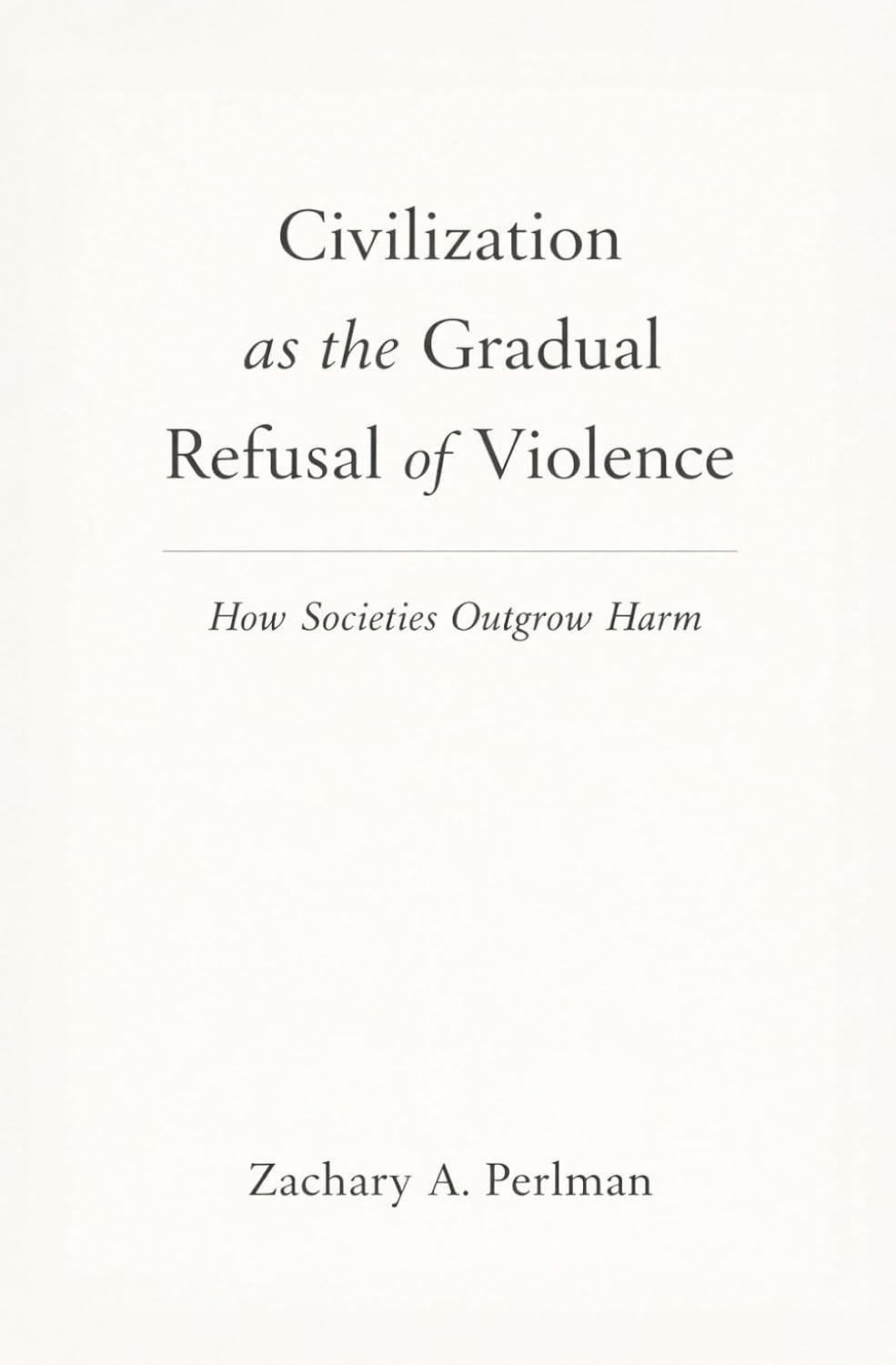
Cover of Civilization As The Gradual Refusal Of Violence
Civilization As The Gradual Refusal Of Violence
Zachary A. Perlman

Civilization As The Gradual Refusal Of Violence

How Societies Outgrow Harm

Civilization is often described as humanity's triumph over violence, yet much of what modern life depends upon still requires harm, often hidden, procedural, or framed as unavoidable. This book frames civilization not as a finished state but as a direction of travel, a slow and uneven movement away from killing, coercion, and domination as default tools for solving problems. Practices once defended as necessary did not disappear because humanity became morally perfect, but because intelligence learned to redesign society so that those harms were no longer required. Seen that way, much of what we still do looks less like moral failure and more like unfinished design.

Portrait of Zachary A. Perlman Zachary A. Perlman

About The Author

Two Decades In The Wisdom Traditions

Zachary A. Perlman is an independent researcher and author whose work spans nondual philosophy, comparative mysticism, and the clinical application of contemplative insight.

His study runs across Advaita Vedanta, Dzogchen, Kashmir Shaivism, Zen, and the Kabbalistic traditions, with training in the lineage of Swami Vivekananda and in Dzogchen and Mahamudra contemplative method. He is a lay monk in practice and orientation.

He has served in leadership at the Parliament of the World's Religions, Monks Without Borders, and the Philosophical Research Society. He founded Moksha Sangha, a contemplative community, and the Institute for Nonduality-Based Therapies, where he developed the NDT framework and its three modalities.

The writing returns to a few themes: sovereignty, direct experience over institutional authority, and the stillness that does not go anywhere when activity resumes.

Featured Projects

Projects

Courses, publications, guided practice, and research, spread across a handful of ongoing projects.

Get In Touch

Questions And Comments

Notes on the books, questions about practice, or anything else worth asking. I read what comes through and reply when I can.

Your address is used only to reply, and never shared or added to a list.